Lisbon Card Complete Guide - Transport, Attractions, Value, and Tips
Learn exactly how the Lisbon Card works, where it saves money, how to use transport correctly, and how to plan efficient sightseeing days.
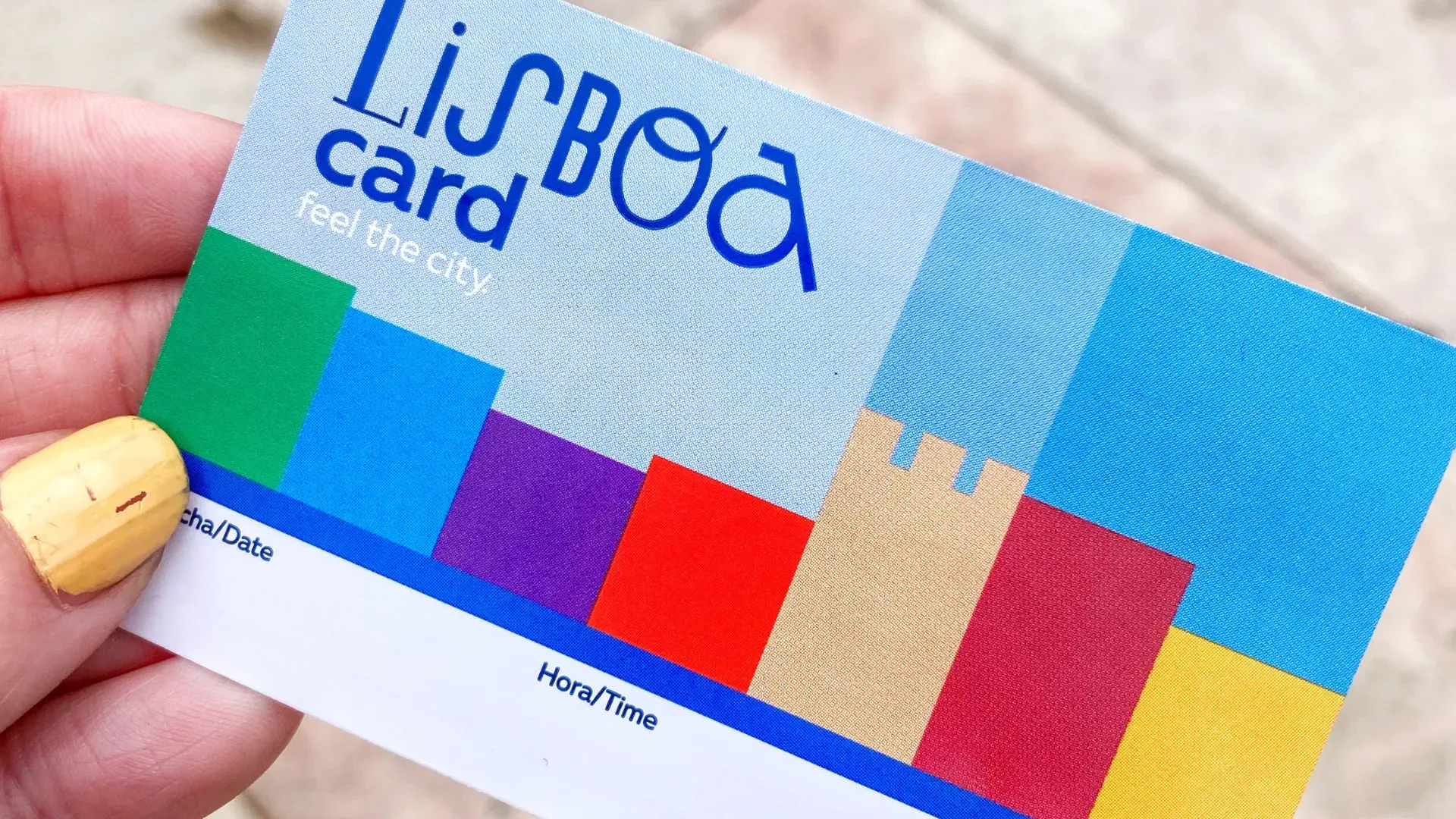
The Lisbon Card is one of the most useful city passes in Europe, but it works best when you plan routes first and tickets second.
What the Lisbon Card does best
- Covers many top attractions in a compact city center.
- Includes practical mobility on metro, buses, and trams.
- Helps you avoid buying separate tickets all day.
What travelers often misunderstand
- The card does not remove all queues.
- Some places still need timed entry.
- A pass only creates value if you move efficiently between zones.
Rule of thumb: if your plan is museum-heavy and transport-heavy, the card usually wins.
Quick comparison table
| Traveler style | Card value potential | Why |
|---|---|---|
| Fast-paced first timer | High | Many paid attractions + frequent transport |
| Slow neighborhood explorer | Medium | Fewer paid entries, more walking |
| Family with kids | Medium to High | Depends on museum mix and pace |
Activation checklist
- Confirm your first activation point.
- Screenshot opening times for priority attractions.
- Build a north-to-south route to reduce backtracking.
- Keep one weather backup museum list.
Sample one-day route
- Baixa metro start.
- Jeronimos Monastery area.
- Belem cultural cluster.
- Evening viewpoint in Alfama.
Advanced tip for maximizing value
Use expensive attractions in the morning and shorter museums after lunch. This improves both cost recovery and queue tolerance.
Mini planning formula
estimated value = (sum of included entries) + (sum of planned transport rides) - (card cost)
If your result is positive and your schedule is realistic, the pass is a strong fit.
Pro move checklist
- Confirm opening hours the night before.
- Save two transport alternatives for each major stop.
- Keep one indoor backup for weather or queue spikes.
- Group nearby attractions to reduce backtracking.
Quick scenario planner
| Scenario | Best tactical move |
|---|---|
| Queue suddenly long | Switch to nearby secondary stop, return later |
| Transport disruption | Use pre-saved alternate line and keep timing buffer |
| Energy drop after lunch | Shorten route and prioritize one high-value stop |
Frequently asked questions
Is this plan still useful in high season?
Yes, but use earlier starts and keep more buffer between key stops.
Should I pre-book everything?
Pre-book only high-demand entries. Keep some flexible slots for adaptation.
How much buffer is enough?
A practical baseline is 20 to 30 minutes per major transfer or queue-prone stop.
Advanced optimization note
If your day includes two high-demand attractions, place them in different time windows (morning and late afternoon) and avoid stacking both around midday.
Bottom line
Treat the Lisbon Card as a mobility strategy, not just a ticket bundle. Build a route, group nearby attractions, and your days will feel smoother and cheaper.
Om författaren

Lisbon Mobility Editorial Team
Denna guide är skriven för att hjälpa besökare att få ut mesta möjliga av Lissabon Tourist Card—praktiska tips, ärliga förväntningar och idéer för att skapa lugna, minnesvärda dagar i denna soliga stad.
Tags
Comments (0)
Loading comments...